
Most people who land on this page do not know what their line is made of, and that is normal. The pipe runs underground from the street to your foundation, and nobody photographs it when the house is sold. What you can usually see is the short stretch where it comes through the wall, and that stretch tells a technician a surprising amount.
Reading the pipe where it enters the house
Look near the meter or the main shut-off, usually on a basement wall in an older Mechanicsburg home, or in a garage or utility closet on a slab house. Different materials look different at that entry point, and the technician we dispatch reads them the way a mechanic reads spark plugs. You are not expected to diagnose anything yourself, and you should not scrape, cut or test the pipe. Take a clear photo if you like and describe it on the phone.
- Galvanized steel
- Dull grey, threaded fittings, often rusty or crusty at the joints. Common in houses built before copper took over.
- Copper
- Brown to reddish, sometimes green at the fittings. Frequently the replacement used when an older steel line was swapped out decades ago.
- Plastic
- Usually blue, black or white and flexible or rigid. More typical of newer work or later repairs.
- Soft grey metal
- Some older lines were made of lead, and a pro can identify the material in person. Do not guess from a photo.
A visible section is only part of the story, because older homes often carry a mix: one material at the wall, another under the lawn, a third near the street after a past repair. That is one reason the technician traces the whole private run before recommending anything.
What tired galvanized steel does to a house
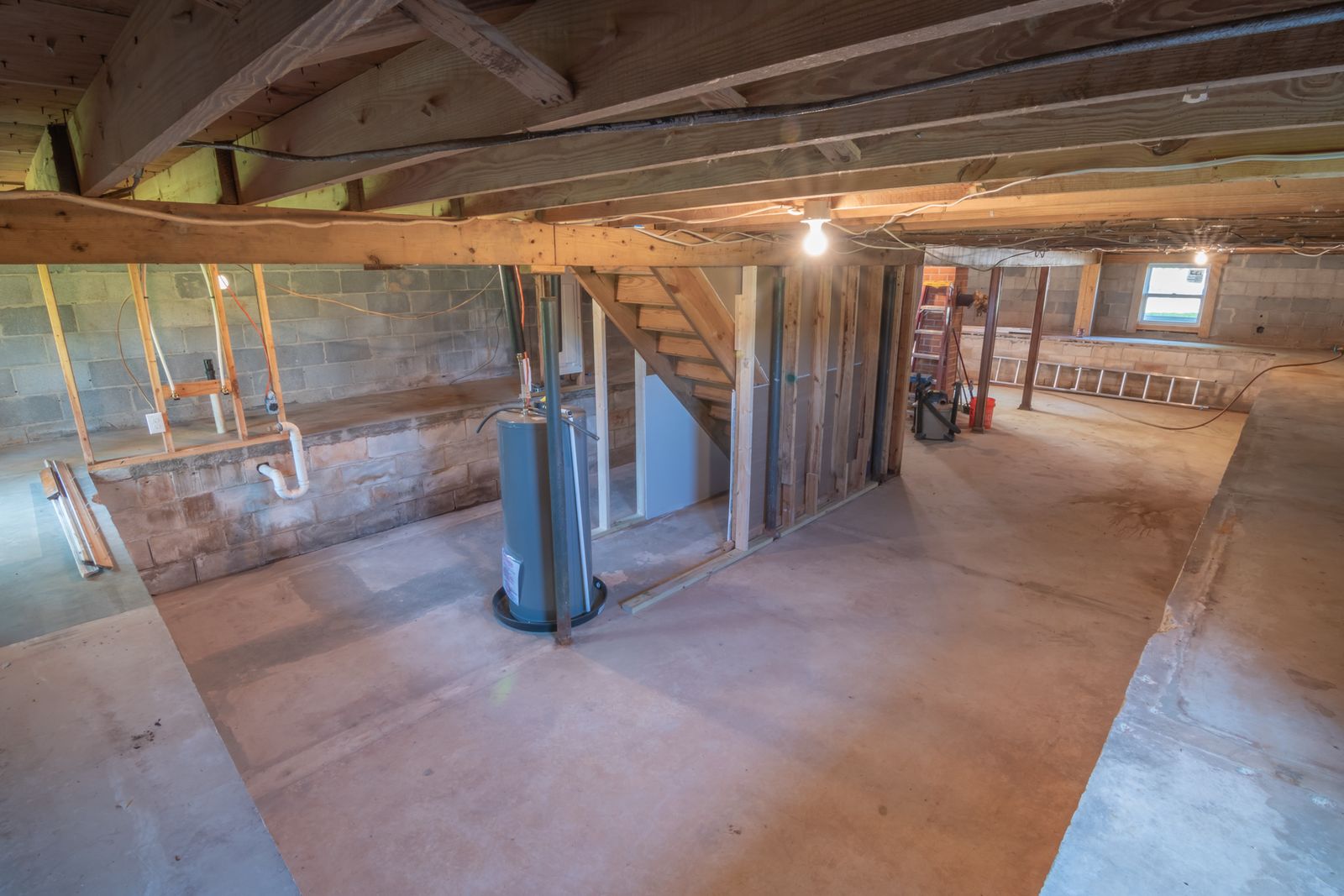
Galvanized pipe is steel with a protective coating, and over many years the inside surface roughens and builds up scale. The opening narrows, so less water gets through. That is the usual cause of pressure that slowly sagged across the whole house, where every faucet runs weaker than it used to. If this sounds like your situation, the low-pressure diagnosis page walks through what else gets ruled out first.
The same inner scale can break loose and tint the water. Rusty or brown water that shows up when the house has been quiet, such as first thing in the morning, is a common reason people start searching.
The lead-era question, answered carefully
Some older lines were made of lead, and a pro can identify the material. That is the whole of what this site will say on the subject, because the right source for anything beyond it is your water provider. If you have questions about water quality, contact your provider directly.
What we can do is connect you with a technician who looks at the actual pipe, tells you what it is, and explains your options for the private side. Nothing here replaces a conversation with your provider.
Ask the provider what it already knows
Many places keep records of service line materials, and some water providers run replacement programs. Whether yours does, what it covers and who qualifies are questions only the provider can answer, so check with your water provider before you spend anything. Ask two things: what do they have on file for your address, and where does their responsibility stop and yours start. Ownership is usually split somewhere between the street and the house, but the dividing point varies, and the answer is on their side of the phone, not ours.
Mechanicsburg homes and the age of their lines
Age follows the map here. The pre-war core around Main Street, W Strawberry Ave and Simpson St has the oldest pipe, and houses there may have been re-piped in sections over the years. See what that looks like on the Mechanicsburg Borough page, where tight lots and sidewalks shape the work.
Move out to the established subdivisions south of the borough and the story changes. Many Upper Allen Township homes from the 1970s through the 1990s still have first-generation lines, often with a transition between steel and copper somewhere along the way. Hampden and Silver Spring tracts from the 1960s onward show similar patterns, and newer communities such as Walden are built with modern materials and rarely raise this question at all.
| If your home dates from | What the line often turns out to be | What the technician looks at |
|---|---|---|
| Before the war, borough core | Mixed materials after repairs over time | Every joint and change in pipe type |
| 1960s–1970s | Galvanized steel, sometimes copper | Scale, narrowing and rust at fittings |
| 1980s–1990s | Copper or early plastic | Joints, transitions and the stretch near the curb |
| 2010s onward | Modern plastic or copper | Usually a connection, not the pipe |
Treat the table as a tendency, not a verdict on your house. Previous owners may have replaced sections without telling anyone.
Replacing the private side, step by sequence
Identify the material
The technician reads the entry point and, where needed, traces the run to see what changes along the way.Check the shut-offs
The valve at the house and the curb stop have to work before anything is cut. Problems there are handled first, and the shut-off valve page explains why.Choose the route
Open trench or a trenchless approach, depending on trees, driveways and how the property sits.Replace and reconnect
The old section comes out or is bypassed, the new pipe goes in, and the connections are tested before the ground is closed.
You may be told that replacing only part of the line is possible. Sometimes it is, if the rest checks out. Sometimes a patch just moves the weak point a few feet down the pipe. Ask the technician to explain which situation you are in and what they saw to decide.
What homeowners ask about older service lines
Start at the spot where the line enters the house, usually near the meter or main shut-off. The visible section gives a hint, but it may not match the buried run. A technician can identify the material in person, and your water provider may have records for your address. Please do not scrape, cut or test the pipe yourself. Describe what you see on the phone, and the technician we dispatch will take it from there and explain what the pipe turns out to be.
This site cannot judge that, and it will not call any plumbing unsafe. What we can say is that a pro can identify the material and tell you its condition. For anything about water quality, contact your water provider, which is the right place for those questions. If your concern is pressure, staining or leaks, the technician can look at those directly and explain your options for the private side of the line.
It depends on where your provider draws the ownership line and whether it runs any replacement effort in your area. Households usually carry the private side of the line, though where it starts differs between providers, so it pays to check with your water provider. Ask what it has on file for your address and what, if anything, it handles. We cannot promise funding or any program, and neither should anyone else on the phone.
Water that sits in an older steel line overnight can pick up rust from the inside of the pipe, and the first draw of the day carries it out. If it clears after a short run, that pattern suggests the pipe interior is rough. If it does not clear, or it appears at odd times, say so on the call. Either way, report it so the technician can look at the entry point and decide whether the line itself deserves a closer look.
If the old line has narrowed from scale, a new one often restores flow, because water finally has a full-sized path. But weak pressure has other causes, such as a regulator, a partly closed valve or something on the provider side. The technician rules those out first so you are not paying to replace pipe that was never the problem. Our low-pressure page lays out how that testing usually goes.
Sometimes, yes. If the section near the house is the weak one and the rest of the run tests well, a partial replacement can make sense. In other cases the old pipe is worn along its whole length, and a partial job just shifts the problem. The technician should explain which one applies and what they based it on. Ask for the options in plain terms, with upfront pricing explained before any work begins, so you can compare a partial job with a full one.
It depends on the part of town. The borough core has the oldest housing and the most mixed pipe. Established subdivisions in Upper Allen, Hampden and Silver Spring often date from the 1960s through the 1990s, with first-generation lines in the older tracts. Newer communities like Walden use modern materials. Age is only a tendency, since earlier owners may have replaced sections, so the pipe itself is the clearest evidence of what your home has.
This site cannot say what any sale requires, since that depends on the buyer, the lender and your own agent. What we can say is that a technician can identify the pipe and describe its condition, which gives you something concrete to discuss. Your real estate agent and your water provider are better sources on any requirements. If you are curious about the line, a quick call will get you plain answers on your options.
Call and describe the house: roughly how old it is, what you can see at the wall, and whether you have noticed brown water, weak pressure or a wet patch outside. Photos of the pipe where it enters the house help. We connect you with a local technician who knows Mechanicsburg homes, and you will hear options and upfront pricing before any work starts.