
Silver Spring Township is the odd one out among our areas, because it does not have one housing story. Part of it lies in ZIP 17050 and part in 17055, and the line between the two is a decent clue to how varied the homes are. Older houses at the farm edge sit a few minutes from newer subdivisions that went up quickly along the Carlisle Pike and Wertzville Road.
Two kinds of house, two kinds of line
| Older farm-edge home | Fast-built newer subdivision | |
|---|---|---|
| Typical setting | Open or irregular lot, longer drive, plantings added over decades | Compact planned lot, uniform setbacks, new landscaping |
| Water line | Original or patched, mixed materials, sometimes unclear history | Newer material, sometimes laid quickly and covered quickly |
| Usual concern | Corrosion, old joints, odd routing | Connections, settling backfill, pressure behaviour |
| Planning question | What exactly is under the yard? | What is above it: driveway, patio, fresh sod? |
The same symptom can mean two different things depending on which column your house is in. A drop in pressure at an old farm-edge home often points to a narrowed line. In a subdivision built within recent memory, it is more likely to be a connection, a valve or something else worth ruling out before anyone talks about replacement.
The yard decides the method
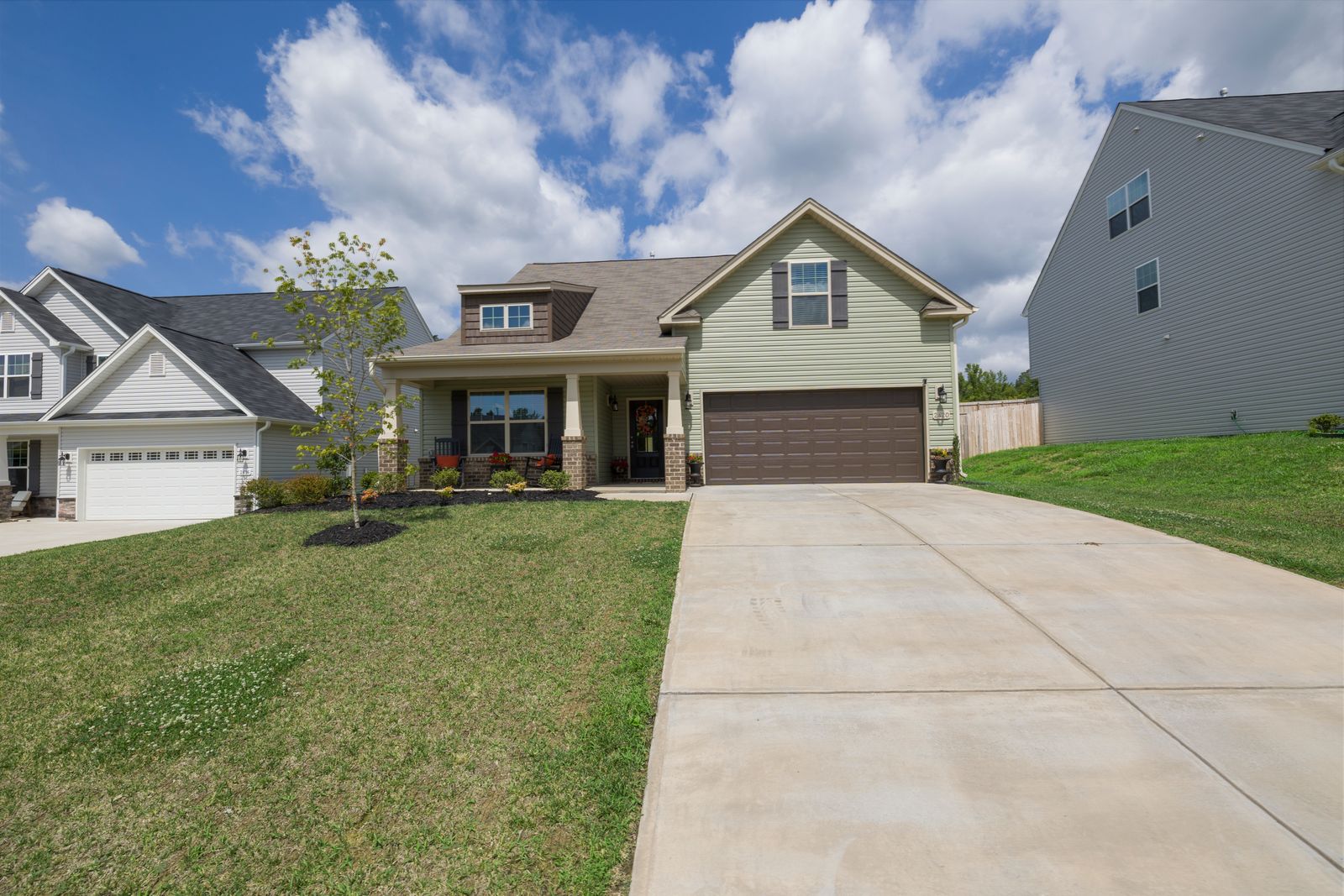
Here is where Silver Spring differs most from its neighbours. Between a long drive, a stamped patio, mature shrubs and a sloped lot, a lot of properties here have something expensive sitting right on the line. Homeowners ask us first, before almost anything else, whether the work can avoid it.
Sometimes it can. Trenchless replacement uses small access points instead of one long open trench, which can spare a driveway or a mature tree. It is not magic. Ground conditions, the existing line and the layout all affect whether it is possible, and it is not always the right fit.
Questions that settle it
- Does the route cross a driveway, walkway or patio?
- Are there mature trees or shrubs close to the line?
- Is the lot sloped or terraced?
- Does the old line still exist in one piece, or has it failed in more than one spot?
Pressure complaints in an area that grew fast
People call from this township about pressure more than leaks, and the reasons vary. On older homes, a corroded service line can throttle the flow into the house. On newer ones, the cause may lie elsewhere. The technician checks the valve at the house, the regulator and the provider side before pointing at the line.
If the line itself is the cause, the answer may be repair of one section or replacement of the whole run. Our page on low pressure from the main line lays out what gets ruled out first, and it is worth a read before you call if your whole house runs weak.
Pressure can also shift with where you live relative to the street. A house on a rise at the end of a long drive does not have the same conditions as one level with the road. That is one reason a technician asks about the lot before reaching any conclusion.
Where leaks tend to turn up
Failures in the older homes come mostly from age: steel pipe that has rusted, joints that have loosened, a section patched years ago that has now given way. Winters add freeze-thaw movement. In the newer homes, a leak is more often at a fitting, or where backfill has settled and put a strain on the pipe.
When the break is limited to one spot, a spot repair can be a sensible, proportionate fix. The trick is finding it. On a larger lot, the wet patch can show up well away from the actual break, so the location comes first.
What the technician looks at first here
- When the house was built, since that decides what material is likely.
- Where the line enters and whether the main shut-off turns fully.
- The meter, to see whether it moves when no water is being used.
- The route across the lot, with attention to the driveway, patio and plantings.
- Anything about the history: replaced sections, previous repairs, past freezing.
None of this requires you to do anything beyond answering questions. The only checks we suggest you try yourself are the ones in the safe steps: closing the main shut-off if water is escaping, and photographing the meter dial before and after 30 minutes without water use.
The call, step by step
Tell us about the lot
Older or newer house, driveway or no driveway, and what you notice indoors.Get a local technician
Calls are answered 24/7, and same-day and emergency dispatch are available where possible.Walk the route together
The technician looks at the shut-off, the entry point and the ground between the street and the house.Choose with the numbers in front of you
Upfront pricing is explained before work begins, with no hidden fees. Ask the independent service provider about any warranty that applies to your job.
Towns and tracts next door
The newest part of the neighbourhood is Walden, a planned community with a very different set of concerns from the farm-edge houses. To the east, Hampden Township has large subdivisions with their first-generation lines now aging.
Silver Spring homeowners ask us
Silver Spring Township spreads across two ZIP codes, so your mailing address may carry either one. It does not change how we help. We serve both, and what matters is the age of your home, the lot and what the water is doing. Give the technician those details when you call and the ZIP does not enter into it.
Often the plan is built around exactly that, but it depends on the line, the ground and the layout. Trenchless methods can pass under a driveway in some cases, and in others a section needs to be opened. The technician looks at your lot and tells you which is more realistic before work begins. That is the key question.
The most useful clue is the pipe where it comes through the foundation, but the history of a rural-edge property can be tangled, with several repairs over decades. A technician can identify the material and tell you whether it looks like the original line or a later replacement. Bring up anything you remember about past work, such as an older repair or a replaced section, because it helps the technician narrow things down.
Not as a rule. Newer lines face different issues than old steel, such as connections, settled backfill and pressure behaviour. If something seems off, like a bill that has risen or a damp patch in the yard, it is worth a call, but age alone is not the concern it would be in an older house.
Whole-house low pressure can come from a narrowed service line, a partly closed or failing valve, a regulator or the provider side. Because several causes are possible, the technician checks them in sequence. If the line itself is the cause, replacement or repair is the way to address it. Describing which fixtures are affected, and when, helps the technician start in the right place.
No. Slope, ground conditions and the existing line can all limit it. Hillside lots sometimes suit it well because digging a long trench is awkward, and sometimes they do not. The technician explains the trade-offs and tells you honestly if open trench is the better option. The slope also affects what each approach can reach, so the answer is specific to your lot and worth asking about on the call.
Not necessarily. A single repair on a mostly sound line can last. But if a line has needed repair more than once, or was patched with mixed materials, it can be a sign that more of it is near the end. That judgement is made on site, not on the phone. Mention any earlier repairs when you call.
Responsibility for the private side usually begins at the meter, curb stop or property line, though providers differ, and your water provider can say where it begins for your address. If the issue appears to be on their side, they would be the ones to contact, and the technician can help you work out which it is.
Yes, and larger lots make it likelier. Water can soak into the ground without producing a visible puddle, and the signs are subtler: a bill that edges up, a meter that moves with everything off, a faint green stripe in the lawn. Photographing the meter before and after 30 minutes without water use is the one check you can run.