
Most households never touch their main shut-off until something goes wrong. The valve may be decades old, painted over, buried behind storage boxes or simply forgotten. That is understandable, and it is also why the first minutes of a plumbing emergency so often go badly.
Two valves, two jobs
- Main shut-off
- The valve inside your house, usually where the line comes through the wall. You operate it to stop water to the whole home.
- Curb stop
- A valve out near the street or property line, reached through a small cover in the ground. It controls the line from outside, and it is usually the provider’s tool as much as yours.
- Meter
- Sits between them in many homes. Its location varies, and the pipe on the street side of it is not a homeowner repair.
Ownership of each piece varies by property, so check with your water provider before assuming anything. Homeowners are usually responsible for the private side, and where that side begins is a question the provider answers.
Where to find yours
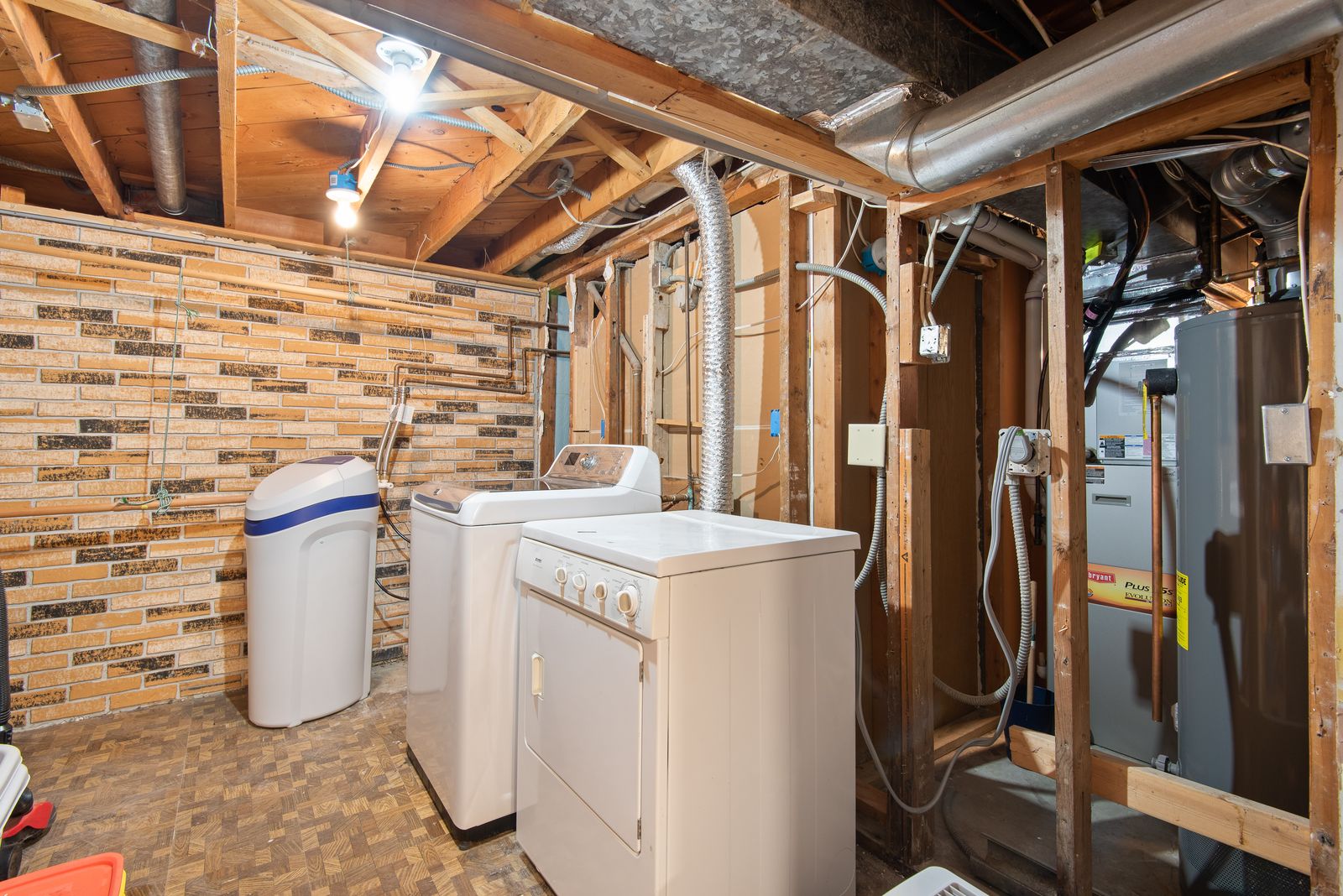
In older Mechanicsburg houses with basements, look on the wall facing the street, close to where the meter sits. Slab homes tend to put it in a garage, utility closet or an exterior wall. The curb stop is harder to spot, since it often hides under a small lid in the lawn or even under grass that has grown over it.
When a valve seizes, drips or will not close
Seized handles
Old valves can stick when internal parts corrode or mineral deposits build up. Forcing a stuck handle risks snapping it or cracking the body, so please do not lean on it with tools. A technician can judge whether it is worth freeing or should simply be replaced.
Leaks around the stem
A damp stain or slow drip near the handle usually comes from a worn packing or seal. Sometimes that can be addressed without replacing the valve, and sometimes the whole unit is too tired to bother with. Either way, it is a clear sign the valve is aging.
Valves that never fully seal
You turn the handle all the way and a trickle continues. That makes a repair at the house far more awkward, because the pipe cannot be dried out and worked on cleanly. A valve that will not seal is one of the more common reasons people call for a replacement.
Swapping the shut-off inside the house
This job is more routine than people expect, but it does need the water off upstream. If the house valve is the only one and it does not hold, the technician coordinates with the curb stop, which is where things sometimes get tangled. The house valve changes first, and the new one is tested for a clean, full close.
Locate and assess
The technician looks at the valve, the pipe on both sides of it and the condition of the nearby wall or floor.Stop the water upstream
The curb stop or another upstream point is used, which may involve your provider.Remove and install
The old valve comes out and a modern one goes in, usually a type that closes fully with a short turn of the handle.Test it
Water is restored slowly, the connections are checked for leaks, and you are shown how it operates.
Many people ask whether it can be finished the same day. Often a simple swap can be, if the parts and the upstream shut-off cooperate, but it depends on what the technician finds when they open things up. If the pipe around the valve is also worn, the conversation may widen into repairing the line or even replacing the whole line.
The curb stop is a shared problem
Because the curb stop sits at the edge of private and public property, trouble there is typically coordinated with your water provider. A stuck or leaking curb stop may need their crew, and a technician can tell you what to ask them. We will not pretend to know how your provider handles it, because that varies, and the right move is to ask before anyone starts digging.
Please do not dig for it or try to operate it with improvised tools. Other utilities may be buried nearby.
Why a working shut-off earns its place
- A burst pipe does far less damage when the water stops within moments.
- Finished basements and stored belongings turn a small failure into a bigger one quickly.
- Repairs on the line itself need a clean shut-off before anyone can start.
- Anyone in the house, not just you, can close a valve that moves easily.
Mechanicsburg homes and their valves
In the small village of Bowmansdale, older homes and rural lots often have valves that have not been turned in years. With fewer neighbours nearby, a leak can run unnoticed longer, so a shut-off that works matters even more there.
Across Silver Spring Township, the mix runs from older farm-edge houses with original hardware to fast-built subdivisions along the Carlisle Pike and Wertzville Road with newer fittings. Borough homes near Main Street often have the oldest valves of all, while recently built communities rarely have seized ones. Cold winters add frost exposure to the curb box, one more reason valves in this part of Pennsylvania get tested before they are needed.
Valve questions we hear most
Look where the water line enters the house. In older homes with basements, that is often a wall facing the street near the meter. On slab homes, check the garage, a utility closet or an exterior wall. It usually has a round wheel handle or a lever. If you cannot find it, describe the house on the phone, and the technician can usually say where it is likely to be for that kind of home.
Please do not force it with a wrench or pipe, because a snapped handle or cracked body makes a bad situation worse. If water is not escaping, leave it and book a visit to have it freed or replaced. If water is escaping and you cannot close it, call right away so a technician can be dispatched. Keep people and cars off any soft ground, and do not dig near the line yourself.
It varies. The curb stop sits near the edge of private and public property, and the split of responsibility depends on your water provider. Homeowners are usually responsible for the private side of the line, but check with your water provider about the curb stop specifically. Trouble there is often coordinated with them, and a technician can tell you what questions to ask before any digging begins.
Sometimes. A drip at the stem can be a worn seal that is addressed without replacing the whole unit. If the valve is old, corroded or leaks again, replacement is usually the sounder choice. The technician looks at the condition of the valve and the pipe around it and explains which one makes sense. You should hear the options and upfront pricing before any work begins, with no hidden fees.
Many people do exactly that, and it is a sensible habit. Turn it gently and see whether it moves smoothly and stops the water, and stop if it resists. Do not crank on a stiff one. If it is hard to move, that is a sign worth reporting to a technician. A valve you have exercised is one you can count on when a pipe fails, and you will know where it is.
Modern main shut-offs are commonly a ball-type design, where a short turn of the handle takes the valve fully open or fully closed. Older homes often have a gate valve with a round wheel that takes many turns and tends to seize. The technician explains what suits your pipe and your house. We do not make manufacturer claims here, since the right valve depends on the existing plumbing.
Often, for a straightforward swap, but it depends on what is found when the technician opens things up. The job needs a way to stop water upstream, which may involve your provider if the curb stop is stuck. If the pipe around the valve is worn, the work can widen. We offer same-day and emergency dispatch where available, and the technician explains the plan before any work begins.
A valve that leaves a trickle running is worn inside and should be replaced rather than tolerated. Close it as far as it will go, and if water is escaping somewhere, call right away. A technician can use the curb stop or another upstream point to stop the flow while the house valve is swapped. That is also why the curb stop matters, and it is worth asking your provider how that part is handled.